
NM Technology Assistance Program (NMTAP)
NOTICE:
Office Hours
Please contact us if you have any questions.
NMTAP
Our Mission & Goals
Our Mission is to help persons with disabilities enhance their quality of life through the use of assistive/adaptive technology.
Our Goals are:
- To provide access to assistive/adaptive technology to people living in Southwestern New Mexico
- To provide device demonstrations to groups, communities, organizations, schools, and individuals
- To provide training and education to groups, communities, organizations, schools, and individuals
- To serve as a regional clearinghouse for resources and information pertaining to assistive/adaptive technology, disability issues, and disability policy
- To mobilize communities in Southwestern New Mexico toward creating more inclusive communities through advocacy and training
What is Assistive Technology?
Assistive Technology is defined by the United States Assistive Technology Act of 1998 as any “product, device, or equipment, whether acquired commercially, modified or customized, that is used to maintain, increase, or improve the functional capabilities of individuals with disabilities.”
Click on the images below for some examples of assistive technology.




Click on the categories below for a listing of our assistive technology resources.
Self-help aids for use in daily living activities including eating, bathing, cooking, dressing, and toileting. Example: grab bars and a shower chair for bathing.
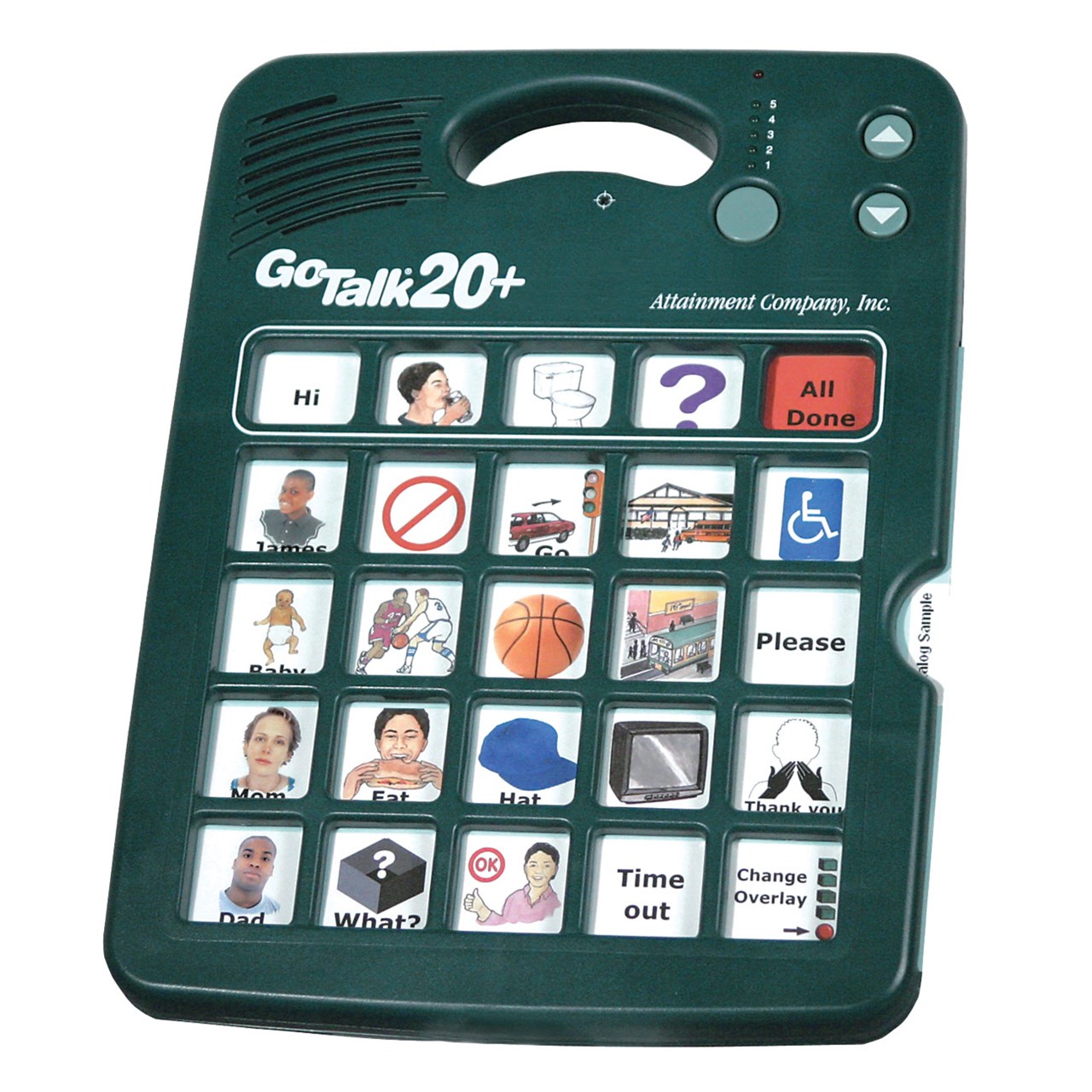
Electronic and non-electronic devices that provide a means for expressive and receptive communication for persons with limited speech. Example: using voice-output augmentative communication device for a person with limited speech ability to effectively communicate with teachers, classmates, and family members.
Input and output devices, alternative access aids, modified or alternative switches, special software, and other devices that enable persons with disabilities to use a computer. Example:Voice activated system for computer, allows an individual with limited use of hands to write articles without the need for a keyboard.
Primarily electronic systems that enable someone with limited mobility or fine motor skills to control various devices such as appliances, electronic aids and security systems in his/her own room, home or other surroundings. Example: equipping a home with electronic controls for the doors, lights , television and radio to allow greater independent functioning in the home.
Structural adaptations, fabrications in the home, worksite or other areas (ramps, lifts, bathroom changes) that remove or reduce physical barriers for an individual with a disability. Example:using stair glide installed in the home to have access to the first and second levels of the home for a person who has difficulty using stairs.
*We do not offer this type of adaptive technology at this time. However, our staff may be able to help you find someone who does!
Replacements, substitutions or augmentation of missing or malfunctioning body parts with artificial limbs or other orthotic aids (splints, braces, et.) Example: using a leg prosthesis in order to walk.
*We do not offer this type of adaptive technology at this time. However, our staff may be able to help you find someone who does!
Accommodations to a wheelchair or other seating system to provide greater body stability, trunk/head support and an upright posture, and the reduction of pressure on the skin surface (cushions, contour seats, lumbar supports). Example: Equipping a wheelchair with straps to prevent injury to lower body, give greater upper body support and to secure while chair is in motion.
Magnifiers, Braille and speech output devices, large print monitor. Example: adapting the computer at work with a large print monitor for a person with a visual impairment.
Telephone amplifiers, hearing aids, assistive listening devices, text telephone, visual alerting systems. Example: a person who is deaf using a text telephone for business transactions, equipping an entrance with a signal light to indicate to them someone has entered, or amplifying sounds for a person who has a hearing impairment.
Manual and electric wheelchairs, mobile bases for custom chairs, walkers, three wheel scooters and other utility vehicles used for increasing personal mobility. Example: upgrading from a manual wheelchair to a power wheel chair allowing for greater mobility and increased independence.
Adapting driving aids, hand controls, wheelchairs and other lifts, modified vans and other motor vehicles used for personal transportation. Example: Driving a van with adaptive control and a lift to accommodate a person who uses a wheelchair.
Our Services
NMTAP provides short-term device loans free to the public. All New Mexico residents with a disability are welcome to come to our office to check out a device that suits their needs. The Device Loan Program is available to individuals with disabilities, educators providing accommodations to students, medical professionals and other representatives of disabled persons, and to family members to help a disabled relative. Contact us about your needs and eligibility. We can work with you.
Training & Outreach
Training and Outreach is available to communities, schools, and groups throughout Southwest New Mexico. Our staff can come to your location to train educators, employees, and other providers regarding technology assistance and devices. When a client checks out an item, our staff will demonstrate its correct care and usage. Clients can also schedule Device Demonstrations via Skype or in person, whether to refresh their knowledge or to ask further questions. We believe the most effective outreach program equips others with the skills and knowledge to understand and use assistive technology to improve their lives or the lives of others. Contact us to schedule a training or demonstration.
Our Partners
Contact Us!
NMTAP – WNMU Technology Assistance
http://socialwork.wnmu.edu/nmtap
Phone: (575)538-6622
(Please email NMTAP with any questions or requests.)
Email:
NMTAP: nmtap@wnmu.edu
Jason Quimby: jason.quimby@wnmu.edu